Stain resistant fabric helps protect car interiors from spills, dirt, moisture, and daily wear by preventing stains from absorbing deep into the material. Modern upholstery protection technology improves durability, simplifies cleaning, and helps maintain a cleaner cabin for longer. This article explains how stain resistant fabric works, the best material options for car interiors, how to maintain protected upholstery, and why professional interior protection services are important for long term vehicle care. Understanding these solutions can help car owners reduce interior damage, improve comfort, and preserve the overall appearance and value of their vehicle.
What Makes Car Interior Fabric Stain Resistant?
Car interiors collect mess quietly. A few drops of coffee near the gear shift. Sweat after a gym run. Dust settling into the seat stitching during summer. Most people do not notice the damage until the fabric starts looking tired or slightly patchy. That is why stain resistant upholstery matters now more than before. Modern interior fabric is designed to slow down spills, reduce marks, and stop dirt from digging deep into the material too quickly. Not magic. Just smarter fabric engineering.
How Stain Resistant Technology Works
Most stain resistant seats use a thin protective treatment over the fabric fibers. When liquid lands on the surface, it beads up for a short time instead of disappearing straight into the cushion underneath. Gives you a small cleanup window. That alone prevents a lot of stubborn staining. Some upholstery materials also use dense synthetic fibers like microfiber or polyester blends. These fabrics absorb less moisture naturally, so they stay cleaner longer and dry faster after cleaning. And yeah, water resistant does not automatically mean stain resistant. Big misconception.
Water resistant fabric mainly slows liquid penetration. Stain resistant material focuses more on preventing residue, dye transfer, grease, and discoloration from sticking to the upholstery. A soda spill, for example, can still leave sugar marks even if the seat blocks moisture for a while.
Common Causes of Interior Stains
Most interior stains come from everyday routines. Fast food grease. Mud from shoes after rain. Kids dropping snacks between seats. Little things, but repeated daily. Sunlight causes damage too. Over time, UV exposure fades fabric color and dries out certain materials, especially near side windows where heat feels sharper by afternoon. Humidity is another problem people overlook. Damp upholstery can trap odor deep inside the cabin and create that stale smell nobody likes.
Why Modern Vehicles Use Advanced Upholstery Materials
Newer upholstery materials are built for longer use and easier upkeep. They handle cleaning better, resist fading longer, and hold their texture without looking worn out too quickly. A cleaner cabin also protects resale value. People notice interior condition immediately. Even a mechanically solid car feels neglected when the seats look stained or smell slightly damp. Clean upholstery changes that impression fast.
Best Stain Resistant Fabric Options for Car Interiors
Not all car seats age the same. Some still look clean after years of school runs, takeaway spills, and dusty parking lots. Others start looking tired weirdly fast. Usually, the fabric is the reason. The material covering your seats affects how easily stains settle in, how much heat the cabin traps, and honestly… how annoying cleanup becomes after everyday mess.
Synthetic Fabric Material
Synthetic upholstery is everywhere now because it handles real life better. Less delicate. Less fussy. Polyester blends are common in newer interiors since they resist moisture reasonably well and hold their color longer under harsh sunlight. They also dry quicker after cleaning, which helps avoid that muggy fabric smell that sometimes hangs around after a deep interior wash.
Nylon based upholstery feels tougher in a more obvious way. Slightly firmer texture. It deals with friction better too, especially on driver seats where jeans, belts, and bags constantly scrape the surface. Then there is microfiber. Soft touch, almost suede-like sometimes, but surprisingly practical. Dust and crumbs usually sit near the top instead of disappearing deep into the seat padding straight away.
A few things drivers usually notice:
- spills are easier to wipe before staining starts
- less fading around window-side seats
- fabric stays smoother after repeated cleaning
Leather and Leather Alternative Protection
Leather interiors have a coated surface that helps slow down staining and moisture absorption. If coffee spills, you normally get enough time to wipe it off before it leaves a dark shadow behind. Synthetic leather has improved a lot lately too. Some versions actually hold up better in hotter climates because they react less aggressively to heat changes. Real leather can sometimes feel sticky after sitting under direct sun for hours. You notice it instantly.
Still, neither material is maintenance free. Oils from skin, trapped heat, and UV exposure slowly wear down the finish, especially around armrests and seat edges where contact happens constantly.
Fabric Protection Treatment for Added Defense
Professional fabric protection gives upholstery another layer between the seat and everyday grime. Most coatings use hydrophobic technology, which basically means liquid stays pooled on the surface briefly instead of soaking in immediately. That few-second delay matters more than people think.
Some treatments also help reduce bacteria buildup and lingering odor inside the cabin. Helpful if the vehicle deals with humidity often or carries pets regularly.
A properly protected interior usually feels cleaner in small ways:
- less sticky residue near cup holders
- fewer dull patches on high-use seats
- fabric keeps that fresher, dry-touch feel longer
Learn More About: Preserve Your Car Interior with The Best Window Tinting in Sharjah
How to Maintain Stain Resistant Car Upholstery
Stain resistant fabric helps, sure, but it is not invincible. Dirt still builds up. Heat still affects the material. And if spills sit too long, even protected upholstery starts looking worn and tired around the edges. A little routine care makes a noticeable difference. Nothing excessive. Just smart upkeep before the interior starts feeling neglected.
Daily Habits That Prevent Interior Damage
Small habits usually protect upholstery more than expensive products do. Cleaning spills immediately is the big one. Coffee, juice, even plain water left sitting too long can leave rings or sticky residue behind. Especially on lighter interiors where marks show fast under sunlight.
Vacuuming helps more than people think too. Dust and tiny sand particles act like fine grit against the fabric. Over time, that friction slowly roughens the seat surface, mostly around driver areas where movement is constant. And harsh cleaners? Best avoided honestly. Strong chemical sprays can weaken fabric coatings and dry out certain materials. If the cleaner smells aggressively sharp, it probably should not be soaking into upholstery.
Simple habits that help:
- wipe spills before they dry into the fibers
- use soft interior brushes instead of stiff scrubbing tools
- place sunshades during long parking hours to reduce UV fading
Cleaning Methods That Preserve Fabric Quality
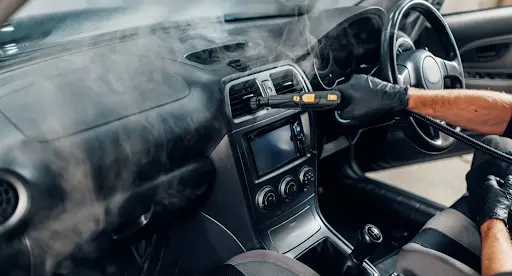
Not every cleaning method suits every seat material. Some fabrics respond well to light fabric shampoo, while others hold moisture too long and end up smelling slightly damp afterward. Steam cleaning works well in moderation because it lifts dirt from deeper layers without aggressive scrubbing. But overdoing moisture inside the cabin can create problems later if ventilation is poor.
Professional interior detailing usually gives better long term results because proper equipment removes embedded dirt without damaging the upholstery texture. Seats feel fresher afterward too. Softer, cleaner, less heavy somehow.
Signs Your Interior Needs Professional Protection
Sometimes upholstery starts showing subtle warning signs before major staining appears. A lingering odor that returns after cleaning usually means contaminants have settled deeper into the material. Fading near windows is another clue, especially when certain sections start looking dull or uneven in daylight.
You may also notice:
- fabric losing its smooth finish
- water absorbing instantly instead of beading up
- darker patches forming around high-use areas
That usually means the original protective layer has weakened and the interior could benefit from professional treatment again.
Why Professional Interior Protection Matters
A car cabin can start feeling worn long before the damage looks obvious. Sometimes it is the smell first. Slightly stale air after the vehicle sits in the heat. Other times the seats lose that soft clean texture and start feeling dry or rough around the edges. That slow buildup usually comes from dirt, body oils, moisture, and sunlight working into the upholstery little by little. Professional interior protection helps slow all that down before the fabric starts looking permanently tired.
Benefits of Professional Interior Fabric Protection
Good interior protection does more than block stains. It helps the upholstery stay easier to live with day to day. When fabric has a proper protective layer, spills tend to sit on the surface a bit longer instead of disappearing straight into the seat foam. That extra cleanup time matters. Especially with coffee or sugary drinks that leave sticky residue behind if ignored for even a few minutes.
Another thing people notice later is how much easier the cabin becomes to maintain. Dust lifts off faster. Seats do not feel grimy as quickly. Even darker interiors keep that cleaner matte finish instead of developing shiny worn patches everywhere.
A few practical benefits:
- less fading around window-side seats
- easier cleanup after food or drink spills
- reduced odor buildup trapped inside the upholstery
How Monza Auto Care Protects Car Interiors
At Monza Auto Care, interior protection is approached carefully because different materials react differently under heat, moisture, and cleaning products. Microfiber, coated leather, stitched trim… none of them should be treated exactly the same way.
The process starts with deep interior detailing to pull out trapped dust, oils, and embedded grime hiding inside the upholstery layers. After that, professional protection products are applied to help resist staining, moisture absorption, and premature fading. And honestly, using the wrong cleaner on delicate material can make seats feel stiff or overly glossy afterward. Proper treatment should leave the cabin looking natural. Clean, soft, fresh smelling. Not artificially slick.
Choosing the Right Interior Protection Service
Not every protection service gives long lasting results, even if the marketing sounds convincing. Experience matters a lot here. So does product quality. A rushed application or overly harsh chemical treatment can wear down upholstery faster instead of protecting it.
Before choosing a service, it helps to check:
- whether safe products are used for sensitive materials
- if the protection is designed for automotive upholstery specifically
- what kind of aftercare or maintenance advice is included
Warranty support is worth asking about too, especially for premium protection packages. A good service should protect the interior without changing the original texture or feel of the seats.
Quick Interior Care Tip
If something spills on the seat, blot it gently with a microfiber towel instead of scrubbing the area hard. Rubbing usually spreads the stain wider and pushes moisture deeper into the fabric. Light pressure works better. Weirdly enough.
Protect Your Car Interior Before Stains Become Permanent
Daily spills, heat exposure, and trapped dirt slowly wear down car upholstery even when the damage is not obvious yet. Professional stain protection helps keep seats cleaner, fresher, and easier to maintain for the long run. At Monza Auto Care, advanced interior protection treatments are designed to preserve comfort, appearance, and resale value without damaging delicate materials. Book your interior protection service now before stains, fading, and odor buildup become harder and more expensive to fix later.
You May Also Like: The Ultimate Guide to Interior Detailing: From Dashboard to Carpets
FAQs
How long does stain resistant fabric protection last in a car?
Professional stain resistant protection can last from several months to a few years depending on usage, cleaning habits, and environmental exposure.
Can stain resistant fabric completely prevent stains?
No fabric is completely stain proof, but stain resistant treatment significantly reduces absorption and makes cleanup easier.
Is professional interior fabric protection worth it?
Professional protection helps maintain interior appearance, reduces permanent staining risk, and supports long term vehicle value.
What is the best fabric for stain resistant car interiors?
Synthetic performance fabrics, microfiber, and professionally coated upholstery are among the most durable and stain resistant options.
How often should car interior fabric be professionally cleaned?
Most vehicles benefit from professional interior cleaning and protection every 6 to 12 months depending on driving conditions and daily usage.