Car wax should be applied every 2 to 3 months for most drivers. Exact frequency depends on climate, parking conditions, wax product type, and daily driving exposure. Carnauba wax lasts 4 to 6 weeks. Synthetic wax holds 2 to 3 months. Ceramic coatings protect for 2 to 5 years. Key signs that wax is overdue: water stops beading on paint, the surface looks dull, and road grime sticks. Regular waxing protects against UV rays, oxidation, and contaminants. For longer-lasting protection, professional ceramic coating or paint protection film are the stronger options.
How Often Should You Wax Your Car? Here Is the Direct Answer
Most vehicles need waxing every 2 to 3 months. That is the working baseline most professional detailers go by. But if your car sits under the sun all day, gets driven through dusty roads regularly, or parks outdoors year-round, you will likely need to do it more often than that. The wax type matters too. Cheap carnauba wax fades fast. A good synthetic wax buys you more time. This guide breaks down exactly what affects your waxing schedule, what to watch for, and when a professional solution makes more sense than a weekend DIY job.
What Factors Actually Decide How Often You Should Wax Your Car?
Not every car needs waxing on the same schedule. Here is what changes the math.
Climate and Sun Exposure
Cars in hot, sunny regions lose wax protection faster. UV radiation breaks down the wax layer from the top down. In places like southern Pakistan, the UAE, or southern US states, every 6 to 8 weeks is a more realistic interval than the standard 3-month advice.
Parking Conditions
Garage-kept cars hold wax longer. Simple as that. A car parked outside collects bird droppings, tree sap, dust, and moisture overnight. Each of those eats into the protective layer. Outdoor parking alone can cut wax lifespan by 30 to 40%.
Daily Driving Volume
A car doing 50+ km daily through city traffic collects more road contaminants than a weekend car. More exposure equals faster wax degradation. If you commute heavily, plan for a 6 to 8 week cycle rather than quarterly.
Type of Wax Applied
| Wax Type | Average Lifespan | Best For |
|---|---|---|
| Carnauba Wax | 4 to 6 weeks | Gloss finish, show cars |
| Synthetic / Polymer Wax | 2 to 3 months | Daily drivers |
| Spray Wax | 2 to 4 weeks | Quick maintenance layer |
| Ceramic Coating | 2 to 5 years | Long-term protection |
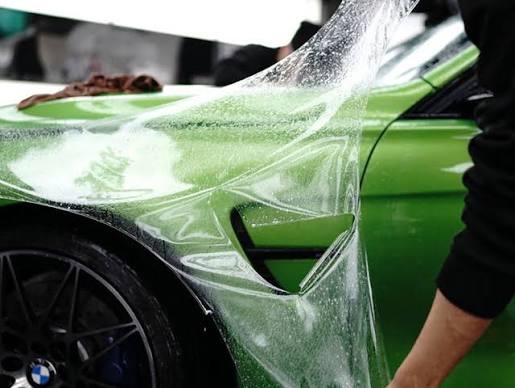
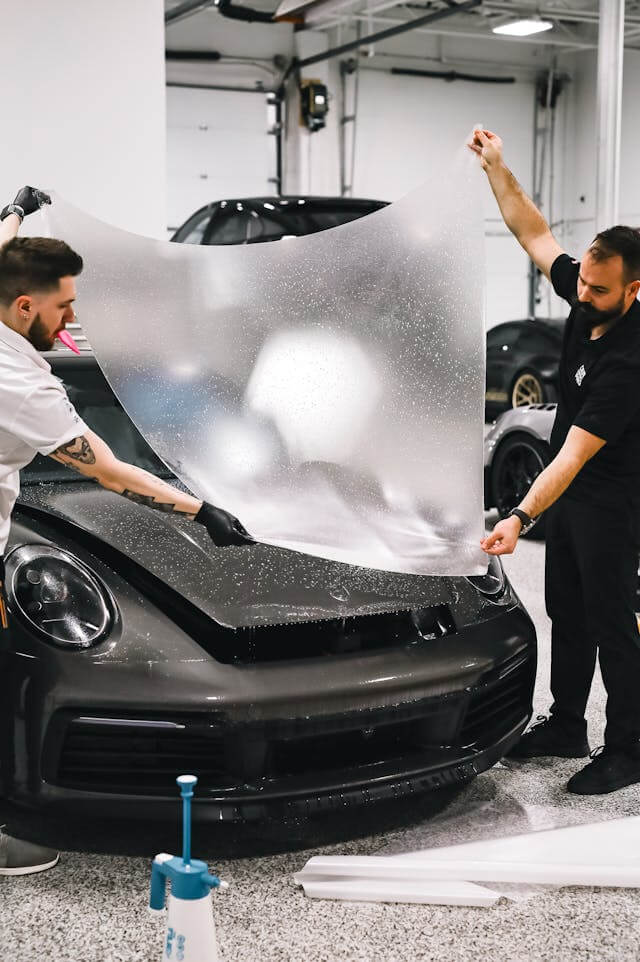
| Paint Protection Film | 5 to 10 years | High-impact areas |
How to Tell If Your Car Actually Needs Waxing Right Now
The water bead test is the fastest check. Pour a cup of water across the hood. If it forms tight, round beads that roll off cleanly, the wax is still doing its job. If the water spreads flat and lingers, the protection is gone.
Other signs worth watching:
- Paint surface feels rough or gritty even after washing
- The finish looks flat or slightly grey in direct sunlight
- Bird droppings and tree sap are harder to remove than usual
- A fresh wash leaves water spots more often
Do not wait for all these signs together. One clear indicator is enough reason to wax.
Learn More About: Bring Back the Shine with Our Car Polishing Service
Comparing Waxing Frequency by Situation: A Practical Reference Chart
| Driving Situation | Recommended Wax Interval |
|---|---|
| Garage-kept, mild climate | Every 3 months |
| Outdoor parking, mild climate | Every 6 to 8 weeks |
| Outdoor parking, hot or coastal climate | Every 4 to 6 weeks |
| Heavy daily commuter | Every 6 to 8 weeks |
| Weekend / low-use vehicle | Every 3 to 4 months |
| After professional polish | Every 2 months minimum |
| Post-ceramic coating top-up wax | Every 6 months |
What Are the Real Benefits of Waxing Your Car Regularly?
People often think of waxing as a cosmetic thing. It is not only that.
UV Protection
For your car’s paint, wax acts as a sunscreen. Without wax UV rays can break down the clear coating of paint over months, leading to a car with oxidation and chalky, faded paint. Respraying a portion costs far more than a can of wax.
Easier Washing
A waxed surface is hydrophobic because dirt and grime do not bond to it the same way. Water does not cling to the surface and leaves fewer marks. Anyone who has washed a well-waxed car versus a bare one knows the difference immediately.
Resale Value
The first thing serious buyers or car dealers look at is paint condition. A car with consistent wax maintenance mostly has original paint. It has a cleaner, richer finish that adds perceived value. Neglected paint condition by contrast signals poor general upkeep.
Protection from Contaminants
Waxing the car saves from road tar, industrial fallout and bird droppings. Left on bare paint, they etch into the clear coat. Wax gives them a protective layer to latch on instead of burning directly through your car paint.
Carnauba Wax vs. Synthetic Wax vs. Ceramic Coating: Which One Is Right for You?
This is where most people get confused. Here is a straightforward comparison.
| Feature | Carnauba Wax | Synthetic Wax | Ceramic Coating |
|---|---|---|---|
| Application Ease | Moderate | Easy | Requires professional |
| Gloss Level | Very high | High | Extremely high |
| Durability | 4 to 6 weeks | 2 to 3 months | 2 to 5 years |
| UV Protection | Moderate | Good | Excellent |
| Cost (DIY) | Low | Low to moderate | High |
| Best Use Case | Show finish | Daily protection | Long-term investment |
Carnauba wax gives your car the deepest and warmest shine. Many car detailing enthusiasts prefer it for that reason alone. But if you want something that works without monthly reapplication. Quality synthetic wax is the more practical pick for you. Ceramic coatings are in a different category. They are worth considering for newer vehicles where long-term protection is a priority.
When Professional Detailing and Ceramic Coating Makes More Sense Than DIY Waxing
There is a point where regular waxing is no longer the right tool. If your paint already has swirl marks, light scratches, or visible oxidation, applying wax on top does not fix any of that. It just covers it temporarily.
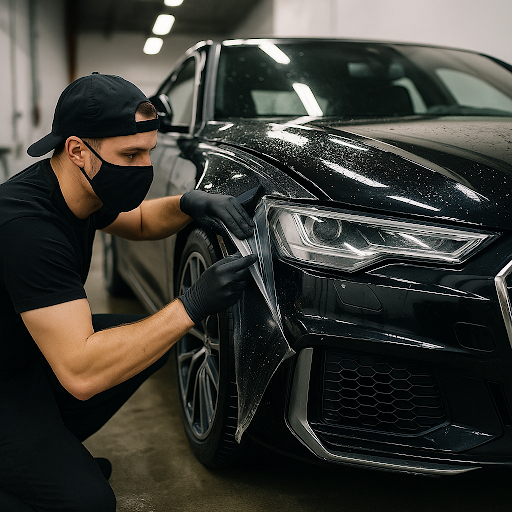
Professional paint correction removes the surface imperfections first. Then a ceramic coating or paint sealant locks in the result. You end up with a cleaner base and a protection layer that outlasts anything you can apply by hand in a driveway.
For cars used as commercial vehicles, long-term fleet assets, or newer models where resale matters, that professional route is worth the upfront cost. You are not paying for wax. You are paying to not repeat the process every two months for the next five years.
How to Get Your Waxing Schedule Right Without Overthinking It
Set a phone reminder. That sounds too simple, but most people skip waxing because they forget, not because they cannot do it. Pick a frequency based on your climate and parking situation from the chart above. Stick to it.
Before each wax application, wash the car properly and remove any contaminants with a clay bar if needed. Applying wax over dirt or embedded grime does more harm than skipping it entirely. Do not leave it to the morning of a long drive or a rainy week. Apply it when conditions are dry and the car surface is cool to the touch.
Protect Your Car’s Paint Before It Needs Repairs, Not After
Waxing is maintenance, not restoration. That distinction matters. A car with consistent paint protection holds its finish longer, costs less to maintain, and sells for more when the time comes. The investment in a quality wax product and 45 minutes every couple of months is almost always less expensive than a paint correction or respray later.
If you are unsure where your paint currently stands, get a professional assessment before the next wax application. A trained detailer can spot oxidation, clear coat failure, or contamination that is not visible in a driveway under normal light.
Ready to protect your vehicle’s paint with the right solution? Contact our professional detailing team today for a paint condition assessment and personalised recommendation. Whether you need a standard wax, a full paint correction, or a ceramic coating, we will tell you exactly what your car needs and what it does not.
You May Also Like: How Car Detailing Is Different from a Regular Car Wash
Frequently Asked Questions
How Often Should You Wax a New Car?
New cars benefit from waxing within the first few weeks of purchase. The factory clear coat is clean but unprotected. Start with a quality synthetic wax every 2 to 3 months. If the car is ceramic coated at delivery, follow the manufacturer’s maintenance schedule instead.
Does Waxing a Car Remove Scratches?
No. Wax fills minor surface imperfections temporarily and can make light swirls less visible under certain light. It does not remove scratches. For actual scratch removal, paint correction with a machine polisher is the right process. Waxing over scratches without polishing first can sometimes make them more noticeable once the wax fades.
Is It Bad to Wax Your Car Too Often?
Not really, though there is a point of diminishing returns. Waxing every two weeks on a car already well-protected is not harmful, just unnecessary. Some detailers apply a spray wax between full applications to top up protection without the full process. The paint does not build up wax in a problematic way, but you do not gain much beyond what a single solid application already provides.
What Happens If You Never Wax Your Car?
Paint oxidises. Clear coat breaks down under UV exposure. Within a few years, the surface becomes chalky, faded, and rough. Contaminants bond more aggressively to bare paint. Once oxidation sets in deeply, a basic wax cannot reverse it. Paint correction or respraying become the only options, both significantly more expensive. Cars kept in hot, sunny climates without wax protection tend to show visible fading in under three years.
Does Car Colour Affect How Often You Should Wax?
Dark colours show wax wear and water spots more clearly, so owners of black or navy cars often wax more frequently to maintain that clean look. Light colours are more forgiving visually but are equally vulnerable to UV and oxidation underneath. The waxing interval based on climate and parking conditions applies regardless of colour. The difference is mainly in how obvious the degradation looks before you catch it.