Here is how to remove scuff marks from car interior plastic. Clean the area with an interior cleaner and a microfibre cloth first, because most scuffs are dirt or rubber sitting on top. If a mark is left, a damp melamine sponge used very gently lifts most of the rest from textured plastic. Deeper scratches need a different fix.
How to Tell the Difference Between a Scuff and a Scratch
A scuff is something sitting on the surface, such as rubber, dirt, or colour rubbed off another object. A scratch is damage to the plastic or paint itself.
Run a fingernail across the mark. If it feels smooth, it is probably a scuff and will usually come off. If your nail catches, the surface is probably cut, and cleaning will not remove it. This test is only a rough guide, not a full check of the damage.
How to Remove Scuff Marks from Car Interior Plastic
If you want to know how to remove scuff marks from car interior trim safely, start gently. Use a cleaner and a cloth before you try anything abrasive. The right method depends on whether the plastic is textured or glossy.
Clean the Plastic with an Interior Cleaner
Spray an interior cleaner, or warm water with a drop of mild washing-up liquid, onto a microfibre cloth. Wipe the scuff and the area around it. This lifts loose dirt and a lot of the transferred rubber on its own.
Use a Soft Brush on Textured Plastic
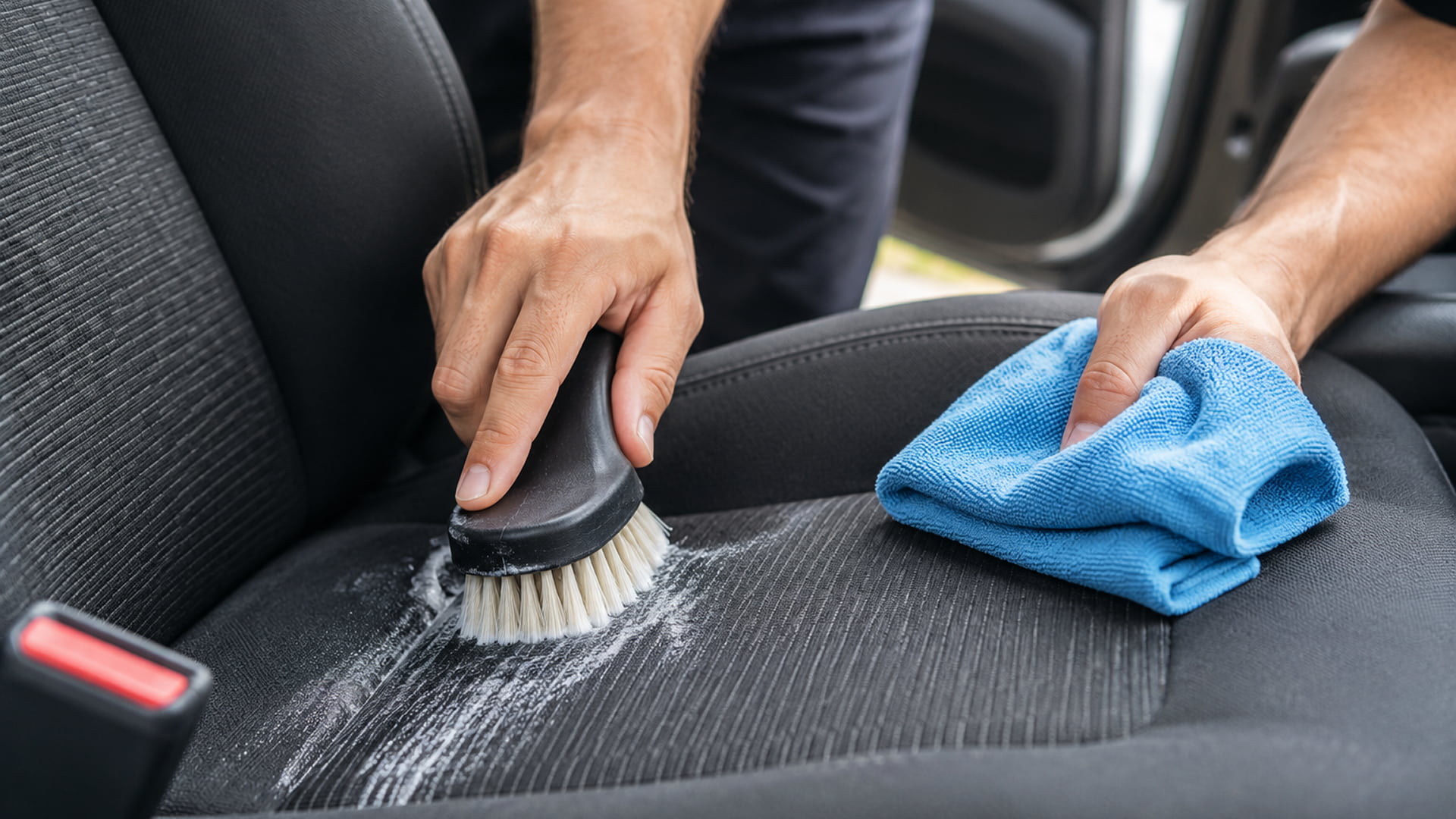
Door cards, kick plates, and seat backs are usually textured. A soft brush gets into the grain where the cloth cannot. Use gentle pressure so you do not wear the finish.
Use a Melamine Sponge Carefully
Dampen a melamine sponge and rub the mark with light pressure. Test it on a hidden spot first. Melamine is mildly abrasive and can leave dull patches, so never use it on glossy black trim or screens.
Apply an Interior Protectant After Cleaning
Wipe on a non-greasy interior protectant that suits your trim. It evens out the finish and makes the next scuff easier to wipe off. It does not repair scratches or stop every mark.
How to Remove Scuff Marks from Glossy and Piano-Black Trim
Glossy and piano-black trim scratch easily, so treat them separately from textured plastic. Use only a soft microfibre cloth and an interior cleaner first. For very light marks that will not lift, a plastic polish applied by hand with a clean microfibre may help. Stop if the area starts to look hazy.
How to Remove Scuff Marks from Car Paint
A scuff from a parking post, a wall, or another car’s bumper is often rubber or plastic left on your paint. It is not always damage to the paint itself. Here is how to remove plastic scuff marks from car paint. This only works for marks on the surface, not for paint damage that reaches the primer or metal.
Wash and Dry the Affected Area First
Wash the area and dry it with a clean microfibre cloth, so no grit is rubbed into the paint.
Try a Bug and Tar Remover for Surface Transfer
Put a little bug and tar remover on a microfibre cloth and wipe the mark. It often loosens rubber and plastic on its own. Follow the instructions on the product and test it on a hidden area first.
Use a Light Polishing Compound if the Mark Remains
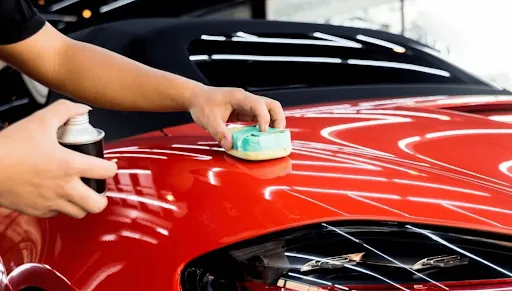
If a faint mark is left, use a light polishing compound by hand, in small circles with gentle pressure, then wipe it clean. Do not rub hard. Polishing does not work if the paint has been cut through.
Know When a Scuff Needs Paint Repair
If you can see primer, bare plastic, or bare metal, the paint is through. More polishing will not bring back paint that is missing. That needs a paint repair, such as our smart paint repair service.
Scuff gone through to the primer? Send us a photo, and we will give you a first opinion on what it needs.
The Best Way to Remove Scuff Marks
The best way is always the gentlest one that works. Use a cleaner first, then a soft brush on textured plastic. Use a mild abrasive only where the surface can take it. Starting with the strongest product is how most DIY damage happens.
When Should You Stop DIY Scuff Removal and Visit a Workshop?
Stop when the mark is damage, not dirt. Trying stronger and stronger products only makes it worse.
Interior Plastic with Deep Scratches
If your nail catches in the mark, the plastic itself may be cut or gouged. Cleaning will not fix that. Depending on the damage, the trim may need repairing or replacing.
Paint Scuffs That Have Reached the Primer or Metal
Polishing is not the answer once primer or metal shows. The damaged area needs a paint repair. In many cases, smart paint repair fixes just the damaged area, without repainting the whole panel.
Glossy Trim That Has Become Hazy
If glossy trim looks hazy after cleaning or polishing, the surface may be damaged. Stop using abrasive products and get it looked at.
For the cabin, our car detailing service in Sharjah cleans the whole interior, trim included.
Scuff Marks That Will Not Shift? Send Us a Photo
If the gentle steps have not worked, send us a photo of the mark on WhatsApp. A photo helps us see whether it looks like a mark on the surface or real damage. We can only tell for certain once we see the car.
Monza Auto Care is at 125 Street, Industrial Area 15, Sharjah. Call us on +971 55 424 2600, message us on WhatsApp, or email monzaautocare@gmail.com.